Beyond Human: The Evolution of Galactic Warfare
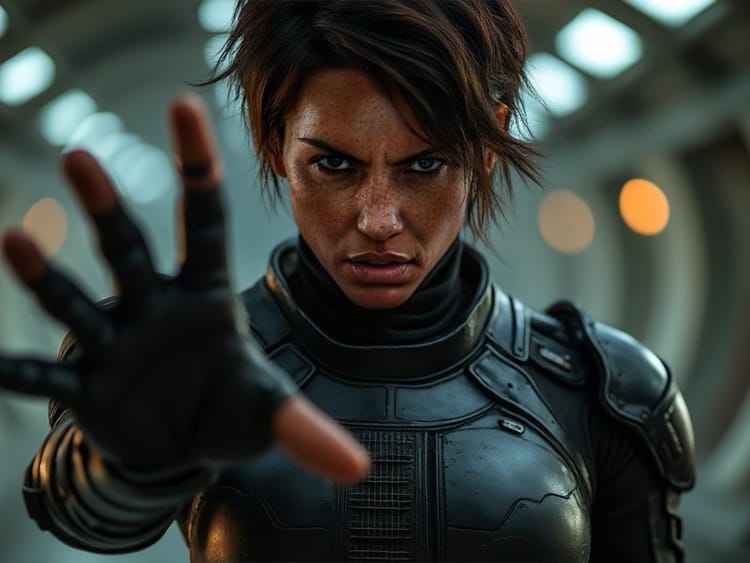
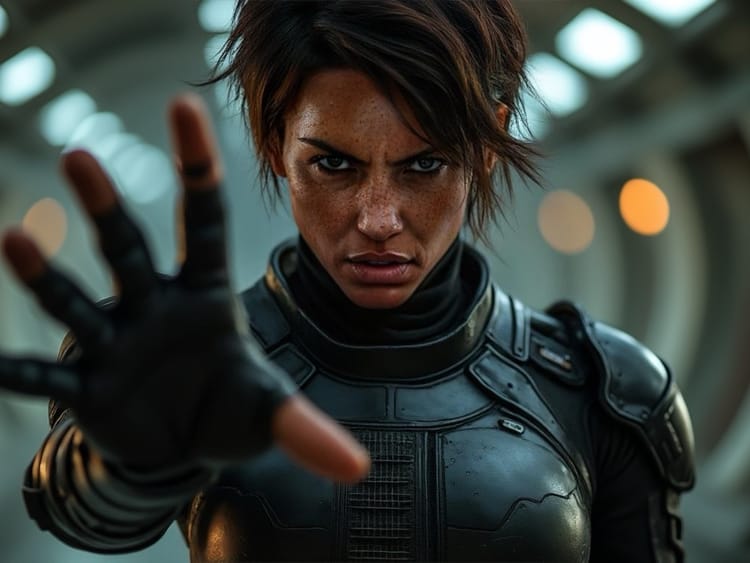
In my Dark Dominion universe, a smuggler dismisses stories about “destroying angels” as propaganda. Then he tries to double-cross the wrong woman—and learns that some legends are terrifyingly real. Welcome to military sci-fi where warfare transcends normal physics: bioengineered Immortals with regen
Dark Dominion: Immortal - Content Warning
“Dark Dominion: Immortal” is a science-fantasy novel for mature readers. It contains graphic violence, references to sexual assault, and extended torture sequences that serve the story’s examination of oppression rather than spectacle. I wrote this to grapple with difficult moral questions about jus
Little Mouse
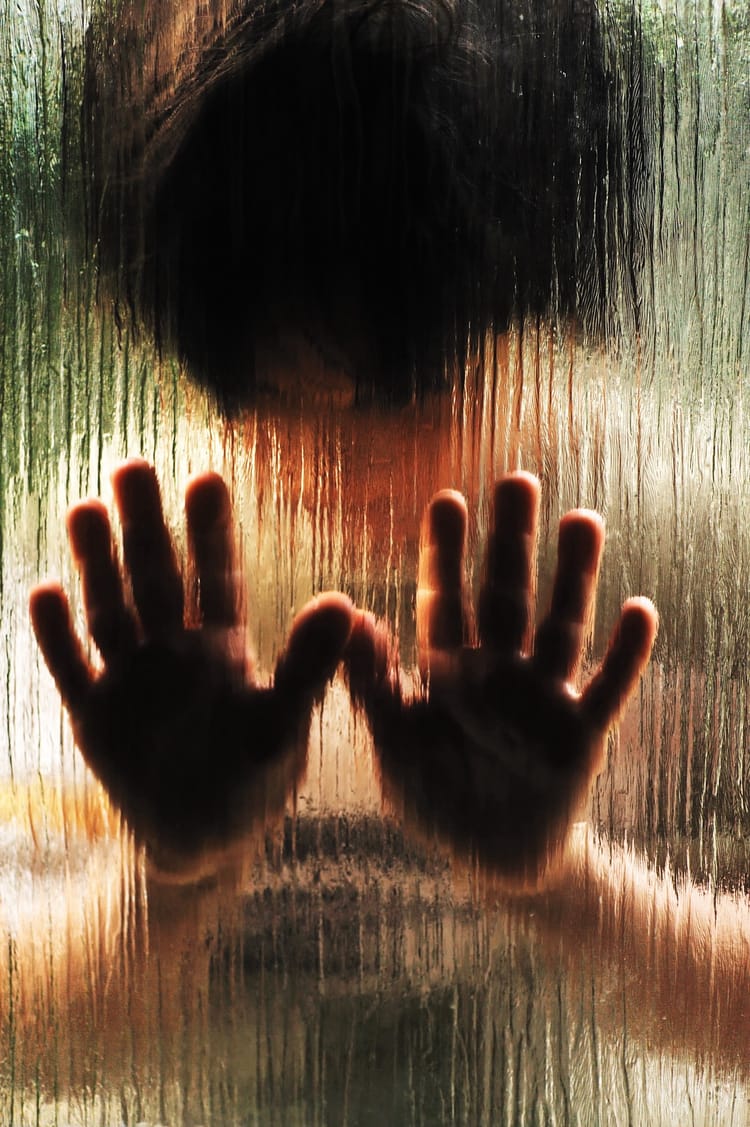
In this haunting paranormal tale, young Mia lives in a drafty apartment with her mother, trying to befriend a timid mouse she calls Mr. Socks while navigating the tensions of her parents’ separation. When her father arrives unexpectedly one evening, the fragile peace Mia has built begins to unravel.
Transcending the Strong Female Character™ Trope
Not every strong female character is “woke trash”—but the lazy Strong Female Character™ trope deserves its criticism. Lisa Kuznak’s viral defense of heroines like Ripley and Sarah Connor sparked a crucial conversation: What truly separates inspiring warriors from one-dimensional girl-boss clichés? E
Mešvi Language Guide
Discover Mešvi, the lyrical language of a matriarchal society devoted to the goddess Kušma, in this comprehensive guide designed for learners at every level. Rooted in ancient Persian but transformed through millennia of exile and renewal, Mešvi reflects a culture shaped by resilience, faith, and fe
Dark Dominion: Immortal
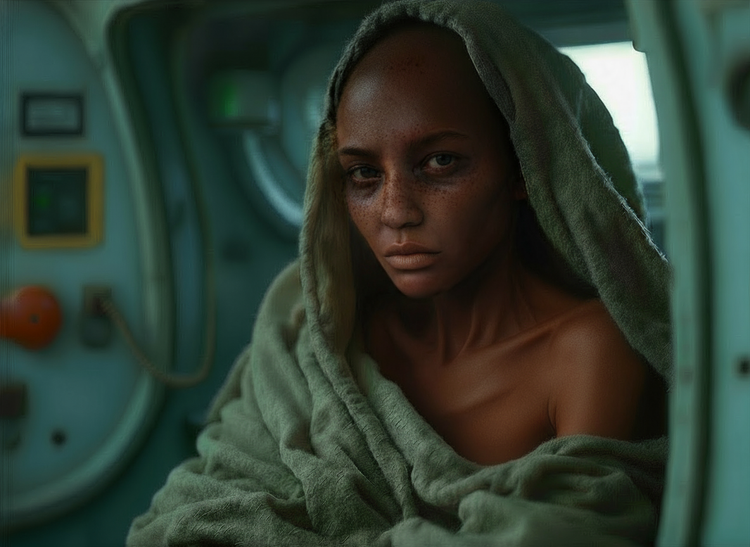
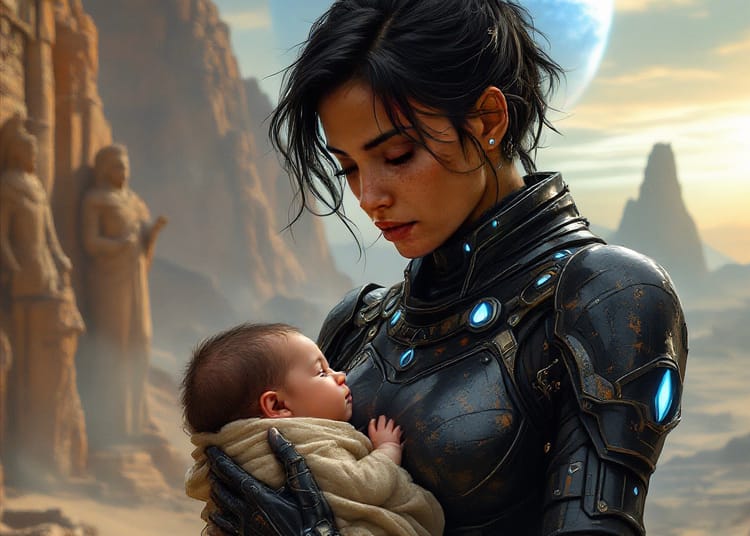
The child growing inside her shouldn’t exist. As a member of serf and slave caste, Sarai izt Kviokhi’s bloodline is genetically incompatible with the divine elite—especially The Name, the immortal tyrant who’s ruled the galaxy for three thousand years. But after a failed assassination attempt leaves
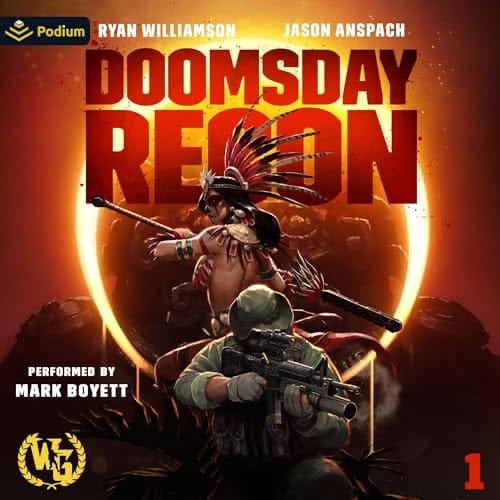
New Series Release: Doomsday Recon
U.S. Cav Trooper Nephi Bennett's Humvee went from Panama to hell in the blink of an eye.
Jack B. Nimble
In a world of thieves the only final sin is stupidity.
A Fistful of Demons
Headlined by veteran storyteller David J. West, A Fistful of Demons assembles over twenty of the freshest voices in the Weird West genre into one massive anthology of short fiction that will take you on a wild ride unlike anything you've experienced before.
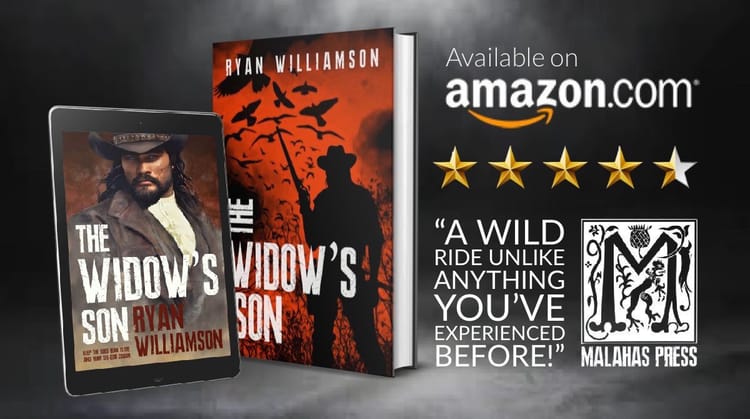
The Widow’s Son: A Novel of the Weird West
Pass the bottle and I’ll tell you a story of whiskey and wheelguns; of when mighty Buffalo Soldiers patrolled the desert on iron steeds, and of cannibal lizard men deep in the Louisiana bayou; of Navajo skin-walkers and the Mexican undead; of the forgotten tomb of an ancient Mayan god and the Man wi