How I Plan to Build 1,500 Readers from Scratch in Four Months
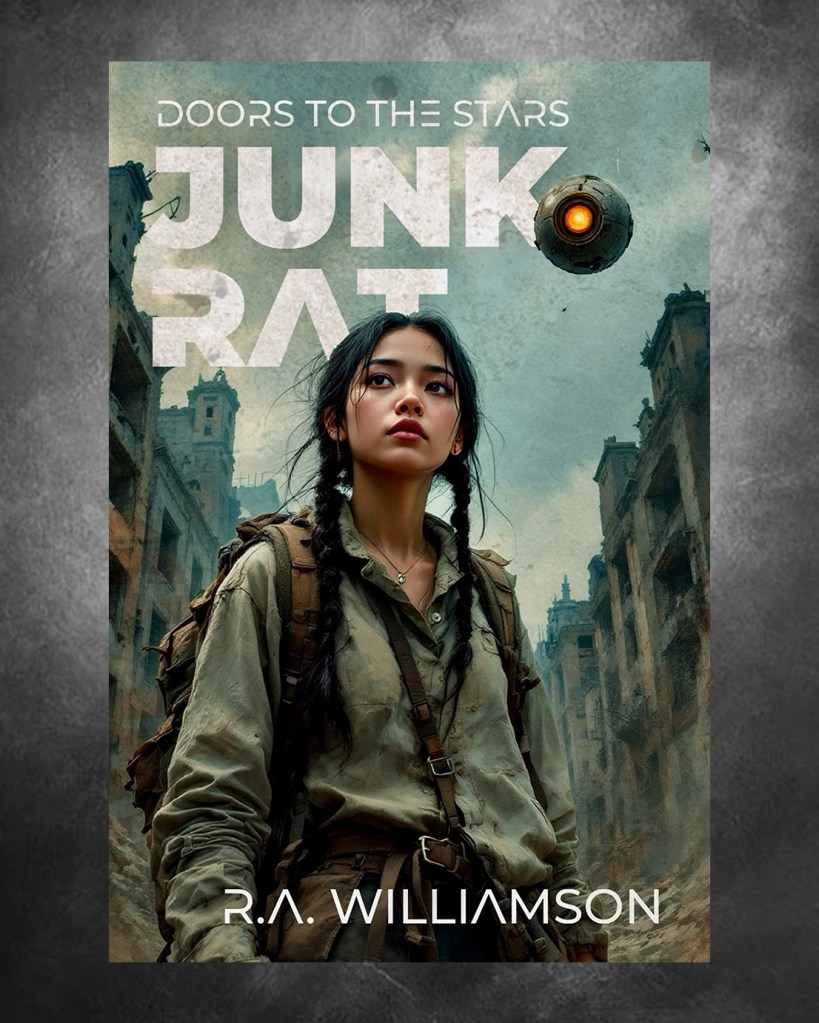
It’s October 24th, 2025. I have exactly 123 days until February 24th, 2026, when Doors to the Stars launches.
Here’s my current reality: 150 people are subscribed to my blog (not necessarily for my books). I have maybe twenty loyal Twitter followers who consistently engage with my writing content. Maybe 200 additional followers who might—if I’m being extremely generous with the math—be potential customers. That’s 350 people total who could theoretically be interested in this book.
The problem? They’re mostly the wrong demographic for a dark YA space opera about a sixteen-year-old Indonesian girl making impossible choices while negotiating with traumatized alien intelligences. And even if all of them buy, that’s still not enough to create launch momentum. That’s not enough to trigger Amazon’s algorithm. That’s not enough to generate the reviews I need for visibility.
What I really need are 1,500 engaged readers who are eagerly anticipating this specific book. Which means finding over a thousand completely new readers in sixteen weeks and making them fans.
I’ve already explained why my existing Twitter platform won’t work for this launch—or any launch, really. With Twitter’s 2-3% organic reach and 0.07% conversion rate, executing a perfect social media strategy would generate maybe five sales per month if I’m being super optimistic. Or $210 annually, maximum. That’s not going to remotely cover the costs of producing this book. Not even after 3-5 years.
The data indicate mailing lists outperform social media for book sales by an order of magnitude. 40x higher conversions than Facebook and X combined.
That’s right. Mailing lists. Just like we’re rocking it like it’s 1995.
So I’m building an email list from scratch. Targeting the right readers through reader magnets, group promotions, and strategic advertising.
Starting today.
But before we get into strategy, let me give an honest accounting of my assets.
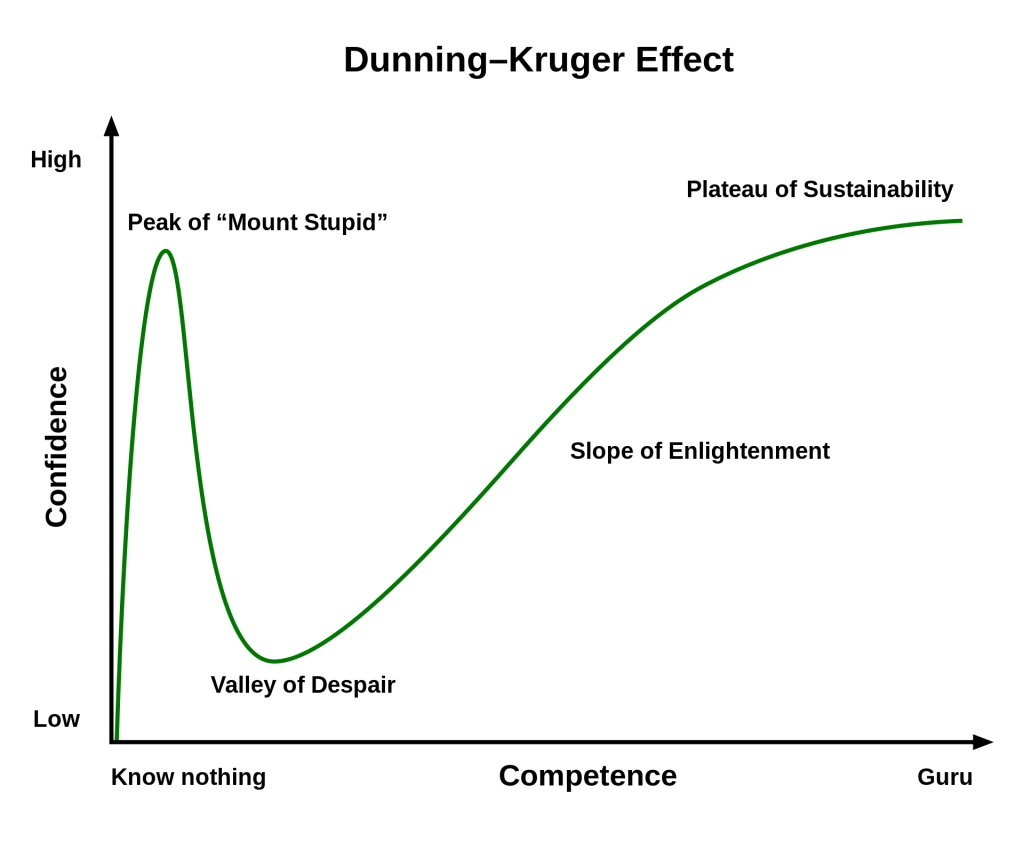
The book itself is finished at 92,000 words. Beta readers gave it strong feedback. Professional editing starts next week. Cover design is in progress, but I have awesome concepts already. The book is good—I know that. I’m not sitting on the Peak of Mount Stupid here—I’ve written enough novels and been through enough professional feedback to have a realistic assessment of what I’ve written.
Existing infrastructure includes a blog with the book announcement already live, an advance reader signup page that’s been collecting names since October 12th, and the first chapter posted. The landing page infrastructure exists; it just needs modification for the reader magnet strategy.
Budget. I’m willing to invest $2,000. That’s substantial compared to many indie authors who try this with $200, a chicken for sacrifice, and forlorn hope.
Skills. I’m a graphic designer and web developer with decades of experience and a professional author. I can create professional visual content without outsourcing. I can write 15,000 words relatively quickly. I understand how to build compelling landing pages.
Built-in sensitivity readers. My daughter is younger than the target demographic, but she loved the book. She’d evangelize to older girls in her middle school. That’s boots-on-the-ground access to actual teens. Theoretically.
Social media head start. Already seeding TikTok and Instagram with teaser content. Not exactly starting from absolute zero on platform building.
Time. Four months. Which is not enough time—the research says I should have started 6-12 months ago. But it’s the time I have.
Why only four months?
I wrote Doors to the Stars in March 2025. Then it sat. Gathered dust. I didn’t know what to do with it. Agents were curious, but ultimately passed on it. Publishers were interested, even though their audiences were the wrong fit, so I ultimately passed on them.
My 11-year-old daughter loved it. So did my 20-year-old son. My editor read the first third and loved it too—she’s starting full edits Monday.
I announced the February launch a couple weeks back when it seemed like enough runway. Before I realized just how small my actual author platform was. Before I understood that “4K+ Twitter followers” and “author platform” are not synonyms. And definitely before I did the eye-opening research on how much time I actually needed.
So now I have people signing up for eARCs arriving mid-January (if you’re interested I’d love to add you to the list). I’ve committed publicly to February 24th. The book is finished. The editor is starting on it. The infrastructure is materializing.
I could delay the launch. Give myself a proper full runway. Start audience-building now and release in October 2026 with a year’s growth.
But pushing the release eight whole months means it sits longer while I build a platform I should have been building all along. It means losing the momentum from the people already signing up. It means backing off a public commitment because the math got scary.
There’s something about a good challenge and commitment and follow-through that makes “I said February, so it’s February” non-negotiable for me, even when the smart tactical move might be retreat and regroup. I could at least push the launch to late April and give myself six months… but would an extra eight weeks make that much of a difference? Maybe.
Maybe not.
So February 24th it is. Unless things go really poorly and I’m forced to delay a month or two. Four months to build what I should have spent a year building. Compressed timeline. Wrong existing audience. Bad mojo.
The alternative is letting this book sit another year gathering dust while I build the “perfect” platform. But where’s the fun in that?
The Strategy
I’m breaking this into four phases with specific deliverables, metrics, and deadlines. No vague “build an audience” bullshit. Concrete actions with measurable outcomes.
Consider this my OPLAN.
Weeks 1-3 (Oct 24 - Nov 14): Foundation
Deliverables:
- Write 15,000-word Wulan prequel novella showing her life on Miller’s World before finding the Forger disk
- Set up MailerLite account (free tier, 1,000 subscribers)
- Create StoryOrigin account ($100/year)
- Write 4-6 email welcome sequence
- Modify existing landing pages for reader magnet delivery
- Design reader magnet cover matching series aesthetic
Prequels comprise 40% of successful reader magnets according to the research I did because they introduce new readers to your world without spoiling your main series. A Wulan origin story creates immediate desire for Book 1 while standing alone as satisfying content.
YA science fiction demands more length than other genres because world-building requires space to breathe. Can’t establish the universe’s rules and deliver a complete character arc in 5,000 words. The 15,000-20,000 word range converts 5x better than sample chapters because it demonstrates full capabilities rather than teasing content already available through Amazon’s preview.
I’m finishing outlining the reader magnet tonight. Goal is to start writing this weekend.
Week 1 fear: I’ll spend two or three weeks writing a reader magnet that doesn’t resonate with the target demographic because I’ve misjudged what they want.
Target metrics:
- Complete reader magnet manuscript
- Welcome sequence drafted and tested
- Landing page live with 20%+ conversion rate
- All technical infrastructure functional
Weeks 4-8 (Nov 15 - Dec 12): Launch & Test
Deliverables:
- Deploy reader magnet to BookFunnel or StoryOrigin
- Join 2-3 group promotions through StoryOrigin (YA space opera specific)
- Continue TikTok posting (3-5 posts weekly)
- Continue Instagram posting (3-5 posts weekly plus daily Stories)
- Test Amazon Ads with small budget ($5-10/day = $300 total)
- Research and develop BookTok influencer partnership strategy
Also on that list should be “Add reader magnet links to all existing book backmatter,” but I can’t (because ex-publisher) and it would’t work anyway (because totally wrong genres).
TikTok drove 59 million print book sales in 2024 through BookTok influencers. The #BookTok hashtag has 200+ billion views. TikTok’s user base is 61% female. My target demographic—young women interested in dark, gritty YA space opera—is actually on that platform, unlike Twitter where roughly 5.1% of my total followers self-reported as “fans,” with 2-3% of them aged 24 or younger and 13-21% female. (Meaning three young women and possibly an arm are my core demographic on the only established “platform” I currently have.)
Back to TikTok. I can make production-quality AI videos showing scenes from the book, character designs, world-building elements in my sleep. Fifteen to thirty second videos creating emotional hooks. Lone female protagonists making impossible choices. Character confrontations showcasing moral complexity. Dark space aesthetics. Text overlays with hooks: “The galaxy is just ash and liars.” “She who dares, wins.” “There is no destiny, only choice.”
“Link to free reader magnet in bio.”
I’m already seeding teaser content on TikTok and Instagram, but I need to develop a strategy for leveraging established reviewers who’ll evangelize the book to their audiences. This phase is about identifying which BookTokers actually reach my target demographic (young women who want dark, morally complex YA space opera versus romantasy or cozy content), understanding their partnership models (paid promotions, ARC reviews, affiliate arrangements), and determining optimal timing for outreach. Goal is to have a concrete influencer strategy in place by Week 9 so I can execute partnerships in the final eight weeks before launch.
Group promotions gather 10-100+ authors in themed bundles where each contributes their reader magnet. All authors share the combined landing page to their audiences. Readers download multiple books in exchange for email addresses. Participating in 3-5 monthly group promotions generates 50-100+ new subscribers, with larger promotions potentially delivering 500+ subscribers per event.
Amazon Ads testing starts with small budget to test keyword targeting. Focusing on “dark YA space opera,” “female protagonist sci-fi,” “morally complex YA.” Negative keywords for romantasy and cozy fiction. Goal is to identify what converts before scaling budget.
Target metrics:
- 200-300 new subscribers
- Landing page conversion rate 20%+
- Cost per subscriber under $2.00
- Email open rates 60%+ on welcome sequence
- Identify which acquisition channels work
- Complete BookTok influencer research with actionable strategy
The fear creeping in: I’ll execute everything technically correct and still generate zero traction because the algorithm gods simply don’t don’t a damn.
Weeks 9-12 (Dec 13 - Jan 9): Scale What Works
Deliverables:
- Increase Amazon Ads budget on profitable keywords
- Participate in 3-5 more group promotions
- Begin newsletter swaps with 2-4 comparable YA sci-fi authors
- Ramp up social content based on what’s performing
- Test Facebook/Instagram ads for list building ($250 budget)
- Engage strategically in Reddit and Facebook groups
Newsletter swaps are one-on-one author partnerships where you promote each other’s reader magnets to your respective lists. Expected results: 300-500 new subscribers per swap with well-matched audiences. I’ll focus on this after hitting 500 subscribers so I can offer reciprocal value.
I need data before committing serious budget. If Amazon Ads show $1.50 cost per subscriber with good engagement, increase spend. If certain group promotions deliver quality subscribers, participate in similar events consistently. If TikTok content gets traction, double down. If something isn’t working, kill it with fire.
Target metrics:
- 500-700 total subscribers (cumulative)
- Cost per subscriber under $1.50
- Email open rates maintaining 40%+
- Clear data on which channels drive quality subscribers
Mid-campaign fear: I’m building a list of people who want free stuff but will never actually buy.
Weeks 13-16 (Jan 10 - Feb 6): Sprint to Launch
Deliverables:
- Maximum ad spend on proven channels ($600 remaining budget)
- Final 4-6 group promotions
- ARC distribution to advance reader list (already collecting names)
- Newsletter swaps with larger authors if possible
- Cover reveal event
- Coordinate launch week email sequence
- Test newsletter promotion sites (Freebooksy, Written Word Media)
I already have infrastructure in place collecting advance readers. eARCs go out mid-January, giving readers 5 weeks before February 24th launch. Goal is honest reviews from engaged readers who’ll post on launch day, creating immediate social proof and review velocity.
Ad-stacking means booking multiple newsletter promotion sites for consecutive days around launch to amplify results. This approach generates 200-1,000+ downloads during promotional periods and costs $20-150 per placement.
Target metrics:
- 1,000-1,500 total subscribers (cumulative)
- Cost per subscriber under $1.50 overall
- 50-100 ARCs distributed
- Launch week email sequence tested and ready
The fear that keeps me up at 3 AM: I’ll hit my subscriber target and still fail because the book gets lost in the flood of other titles launching that same week.
Final Weeks (Feb 7-24): Pre-Launch Coordination
Deliverables:
- Coordinate launch day email blast
- Social media push across all platforms
- ARC reviews coming in (target: 20-30 launch day reviews)
- Pre-orders if using them (still deciding—current wisdom says don’t for the first book in a series)
- Final promotional pushes
Target metrics:
- 40%+ email open rate on launch announcement
- 10-20% purchase conversion from list (150-300 launch week sales)
- 20-30 reviews in first 48 hours
- Amazon algorithm picking up velocity signals
The Budget Breakdown
Here’s exactly how I’m allocating that $2,000:
- StoryOrigin: $100/year (reader magnet delivery and group promotions)
- MailerLite: Free tier initially, $10/month if I exceed 1,000 subscribers
- Amazon Ads: $1,200 (split across 12 weeks, scaled based on performance)
- BookFunnel: $150 (if needed for additional reach beyond StoryOrigin)
- Newsletter promotion sites: $300 (ad-stacking around launch)
- Facebook/Instagram/TikTok ads: $250 (testing list-building campaigns)
Total: $2,000
I’m frontloading testing budget to identify what works, then scaling successful channels hard in the final six weeks.
What Success Looks Like (Quantitatively)
I need to be honest about metrics because vague “build an audience” goals are worthless.
Success:
- 1,500 subscribers by February 24th
- 20%+ landing page conversion rate
- 40%+ email open rates on regular newsletters
- Cost per subscriber under $1.50 overall
- 10-20% of list purchases launch week (150-300 sales)
- 50-75 reviews in first month
- Amazon algorithm picks up momentum and starts showing book to similar readers
Failure:
- Under 500 subscribers by launch
- Under 5% purchase conversion
- Under $1,000 launch month revenue
- Amazon algorithm never notices the book exists
- Reviews stall below 20 and potential readers see “not enough social proof”
What I’m NOT Doing (The Constraints)
Let me be clear about the gap between “optimal strategy” and “what I can actually execute in four months.”
I’m not starting 6-12 months out like I should. The research says optimal strategy begins 12+ months before launch, building audience during the writing process itself. I’m compressing what should be a year into four months.
I’m not building BookTok presence for a year first. Successful BookTokers post consistently for 6-12 months before seeing real traction. I’m starting from zero with four months.
I’m not testing multiple reader magnets and iterating. Best practice is to test different magnet concepts, see what converts, refine based on data. I’m writing one magnet and hoping it works.
I’m not building a massive back catalog. Authors with 5-10 books have inherent advantages through read-through and cross-promotion. Sure, I have five published titles, but this is my first YA space opera.
I’m not hiring professional services. No marketing consultants. No BookTok influencer partnerships yet (researching first). No publicists. DIY execution using my existing skills.
The constraints are real. The timeline is aggressive. But the alternative is not launching at all, and that’s just not acceptable.
The Emotional Reality
Here’s what I’m actually sitting with right now.
I know the book is good. The story works. Wulan is compelling. The moral complexity lands. The world-building is sophisticated and fun and doesn’t insult reader intelligence.
My fear isn’t “is the book good enough.”
My fear is that quality doesn’t matter if no one sees it.
I’m terrified of executing this entire strategy correctly—hitting all my metrics, building the list, doing everything “right”—and still watching the book disappear into Amazon’s algorithmic void because I couldn’t generate enough launch week velocity. Because four months isn’t enough time to build the audience this deserves. Because 150-300 launch week sales won’t be enough to trigger the algorithm that shows the book to the thousands of readers who would actually love it if they knew it existed.
I wrote this book for my daughters. For young women who want space opera that treats them like intelligent humans capable of processing moral complexity. For readers tired of YA that assumes they can’t handle darkness, grit, and difficult questions.
I left a publisher relationship over audience misalignment. I’m testing whether I can actually do this independently—whether quality work can find its audience through strategic effort, or whether success in 2025 requires starting years earlier with massive existing platforms.
That’s the stakes.
Week 1 begins now. Tonight I’m finishing the reader magnet outline. This weekend I’m starting writing in earnest. By November 14th, the foundation is complete.
The strategy will no doubt change based on what actually works. No plan survives first contact and all. Budget allocation will shift toward profitable channels. I’ll strangle tactics that don’t perform in their sleep. But I’m committing to the attempt.
Subscribe to follow along. I’ll report back now and again with real numbers, real fears, and real adjustments.
Four months to build 1,500 readers who actually want dark YA space opera about a radiation-sick junk rat trying to save a galaxy that never gave a damn about her.
She who dares, wins.
Or he, in my case.
Let’s find out if Wulan’s motto is true.
Update: It’s currently 17:00 on October 24th, 2025. The reader magnet outline is half-finished. I’m going to nail it down before I sleep. Tomorrow I start writing. See you in late November with Week 4-8 results.


Member discussion