Reader Review: Doors to the Stars
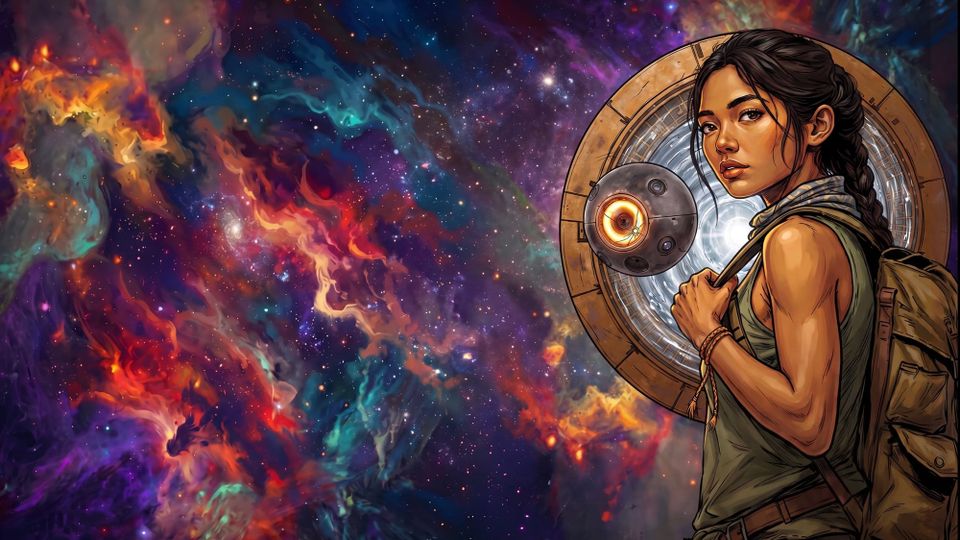
Great mix of action, intrigue, betrayal, and technology that affects the plot.
Bottom Line Upfront
I've read 110 books so far this year and Doors to the Stars stands out as one of the best for having a banger scifi story with the emotional realism of being a teenage girl figuring out life in harsh circumstances. Wulan loses family time and again. She spends much of the book dealing with her health being so bad from the radiation poisoning that she might bleed out before the Ascendency catches up with her or the artifact does whatever it’s going to do. Wulan is just a girl who is one more bad day away from being a sad statistic (scavkids don’t worry about what they will do when they grow up because they don’t live into adulthood).
Even though I cried multiple times while reading this book, Doors to the Stars isn’t a sad book. It’s a book with action, adventure, betrayal, and what it take to keep going as the badness keeps rolling. Yet it’s also a book about how crew (merely someone you trust enough to watch your back when you sleep like in Project Hail Mary) is not family. Tennyson is correct that it’s better to have loved and lost than never loved at all, but Jurassic Park’s “life finds a way” also comes to mind.
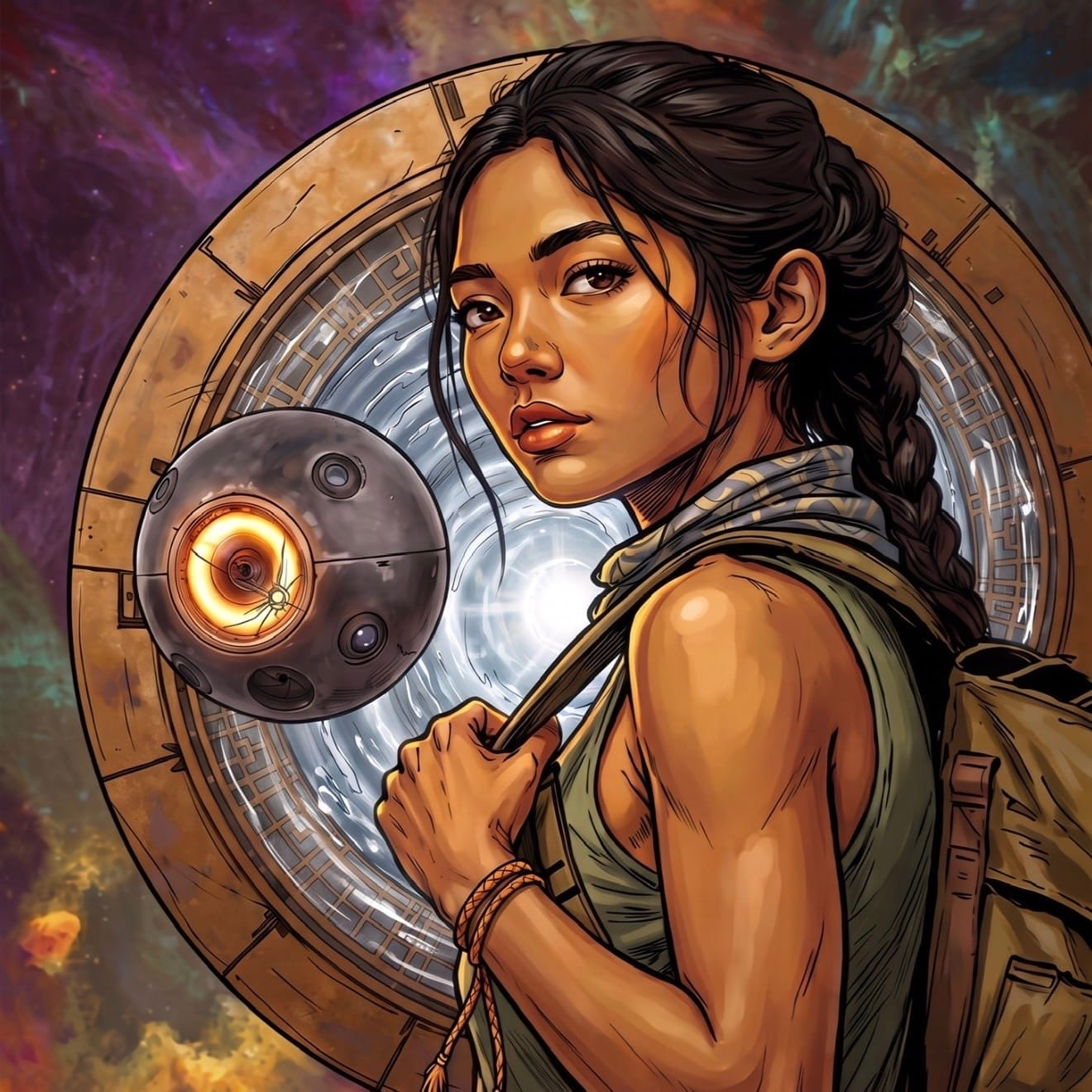
“Strong recommend for those who love great YA scifi with well-developed characters and themes that make you think without any lectures.”
Things that Work Well
Doors to the Stars is young adult, yet not sanitized. The danger is real and Williamson well captures the vibe for Wulan being a teen who is still young enough resent having to step up and be in charge yet able to see what happens if she doesn't rise to the occasion.
While teen Marc hasn't had an easy life, he has been embedded with an adult crew/family to have had fewer losses and consequently much more remaining hope. This aspect reminds me of Code Name Verity for a similar contrast in main characters having to rise to the occasion in harsh circumstances because, even while adults are around, those adults can't always protect the teens from the circumstances.
My favorite line from Doors to the Stars is "they don't care about kids picking through old junk unless we find something they want." The realism hurts and yet this is not a depressing book. The action is real. The consequences are real with uncertain outcomes, yet the vibe is more like the television show Firefly: still flying; it's not much yet it's enough. We're following the folks on the edge who are nobodies suddenly on the radar of powerful people and those who can collect bounties from the powerful people.
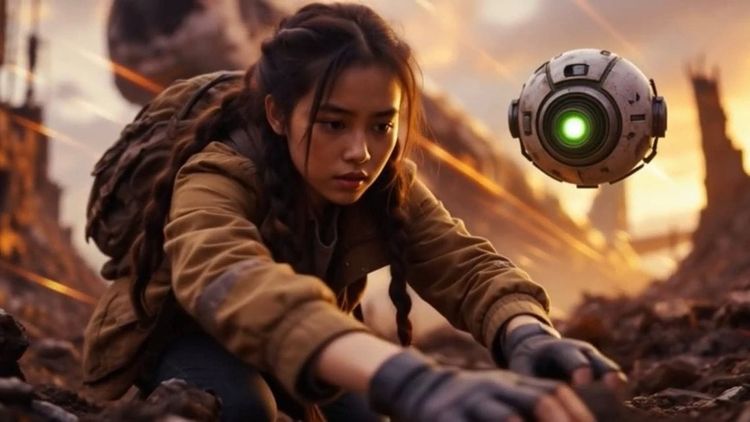
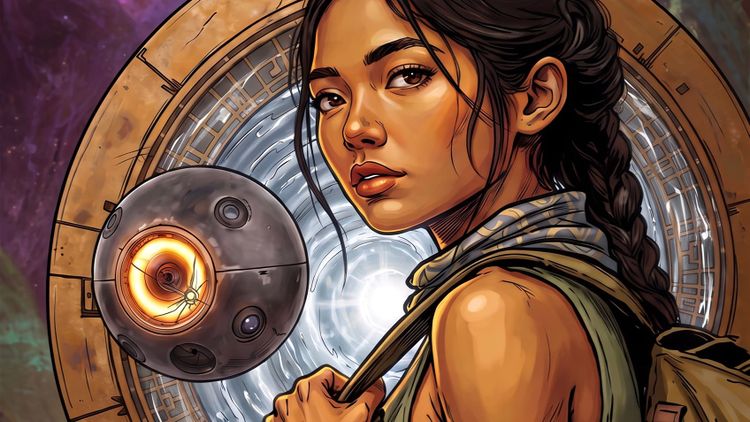
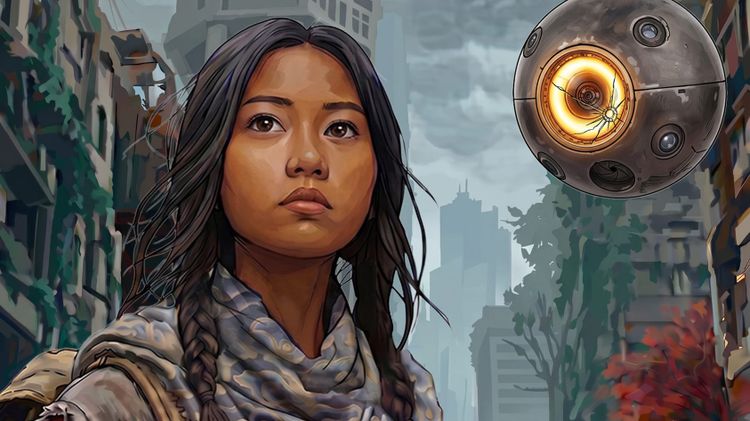
I love the relationship between Gus (ancient war drone) and Wulan (teenage girl who starts in the scavkid's camp and then even loses that). There's love perhaps reasonably described as annoyed uncle and headstrong niece. Wulan declines every offer to sell Gus for creds because one doesn't sell family, even when a few creds would make a big difference to this week's survival. Kael the pawnbroker is a minor character, but he sticks in my mind as being an adult who is slightly better off than the scavkids and yet he can’t save them. All he can do is think like the parable of the starfish stranded on the beach and how today’s action might matter to this one. Unfortunately, though, these starfish won’t then move away and be saved. They will be stranded on the beach again next week, the week after, and continuously until the scavkids die in some tragic way because no path exists to being adults. In the real world, folks become social workers and teachers in hard places because they can help some kids get to better circumstances. Kael won’t ever see that survival of his starfish.
All the characters are realistic people. While elements are familiar from all the scifi I’ve read, no one is a mere trope moving the story forward. The loss of Cassandra early on hits hard because of Wulan’s love. You have to love someone at 11 to irradiate yourself for the mere chance to get a heater and medicine. Ryn is another scavkid who is family to Wulan, not just crew, and Williamson pulls no punches on the realism of being a scavkid.
The crew of The Gambler on first glance look like tropes: the crusty captain, the motherly woman pilot, the mechanic, and the Ascendency war bot who is now a peacenik. Yet they are more than that and are unique people who have motivations beyond the simplistic “gotta have a crew and these were the character sheets available. Roll for initiative!” Gus and Jace becoming friends is a realistic aspect. Sure, Wulan is the main character, but why wouldn’t sentient Gus be making friends with the crew while Wulan is unconscious and healing for days/weeks or in stasis for the jumps? All the characters are going about their lives as the book progresses; they are not merely hanging out in the closet waiting for their turn on the Wulan stage. Very effective as I expect from Williamson who writes flawed, full people.
Why Only 4 Stars
Doors to the Stars is excellently executed YA scifi: banger story on first read with the layers of meaning on later reads. This would have become a younger me's favorite reread for a realistic teen who is figuring things out, not a fakey Plucky Gal Who Will Overcome Her Circumstances. I am reminded of Card's Speaker for the Dead more than Ender's Game because of the layers that get deeper on reread and hit me harder as a middle-aged adult with more experience.
Why 4 stars? I'm a harsh grader and I've read Williamson's Born in Battle. Those themes got me up at 0300 for long after I finished the book because I still needed to think about consequences and how they applied in my real life. My thoughts upon reading Born in Battle went immediately to other literary works.
I cried over parts of Doors to the Stars while reading (and even on reread), but I didn't have that 0300 deep thoughts experience. Strong recommend for those who love great YA scifi with well-developed characters and themes that make you think without any lectures. But Doors to the Stars didn’t hit me as hard as other books so 4 stars (4.5 stars even), but short of 5 stars.
Things Prospective Readers May Want to Know
Doors to the Stars has a great mix of action, intrigue, betrayal, and technology that affects the plot without feeling like reading a manual. These are humans experiencing the consequences of technology in a world different from ours.
Paolo Bacigalupi's The Drowned Cities (book 2 of Ship Breaker) comes to mind as a good book with a teen girl rising to the occasion in harsh circumstances. I prefer Doors to the Stars because the characters are better developed as people instead of a means to move the plot forward.
Wulan and Marc are realistic teens figuring out their feelings for the first time. The slow-burn romance is perfectly executed as novices working up courage and life intervening on even the very first step. I felt the frustration through Wulan's thoughts as being so young and inexperienced.
Doors to the Stars is good YA because bad things happen with uncertain outcomes. Nothing is A Very Special Lesson. Everything feels emotionally real in a different technology setting. I cared about what happened and hurt along with Wulan as bad things kept rolling in.
—Amazon reader review by John B., October 1st, 2026
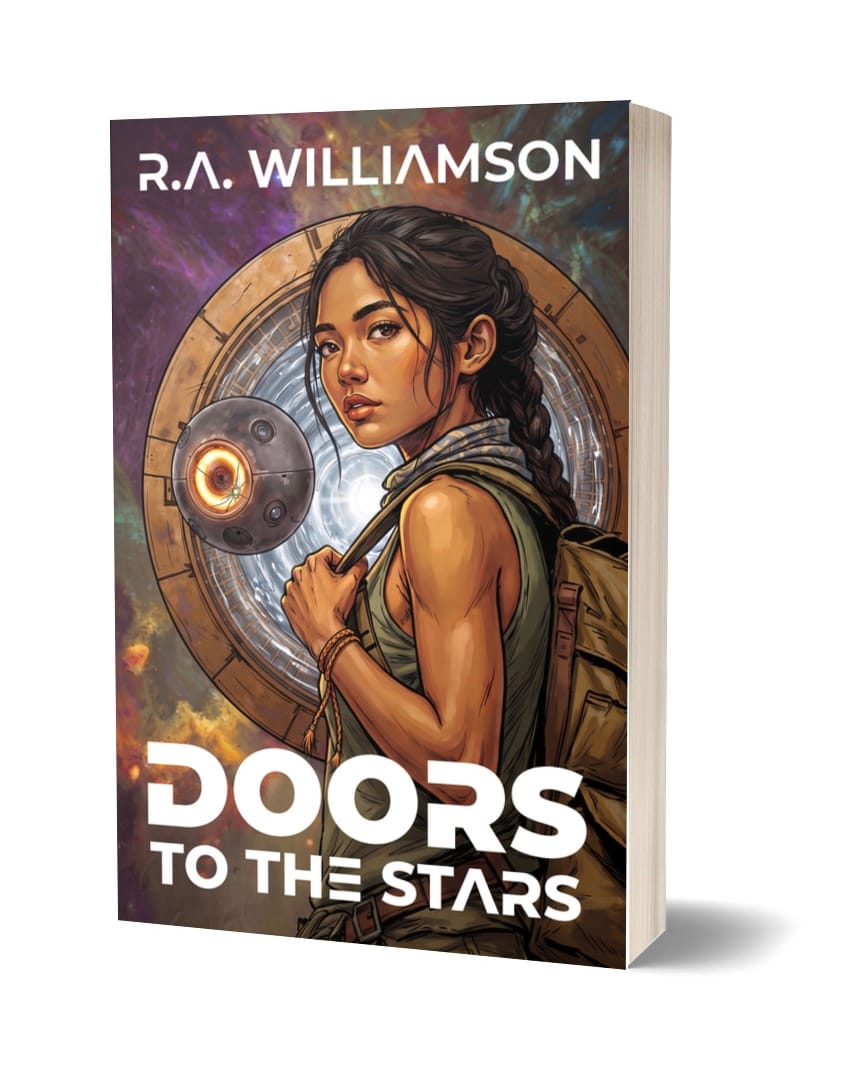
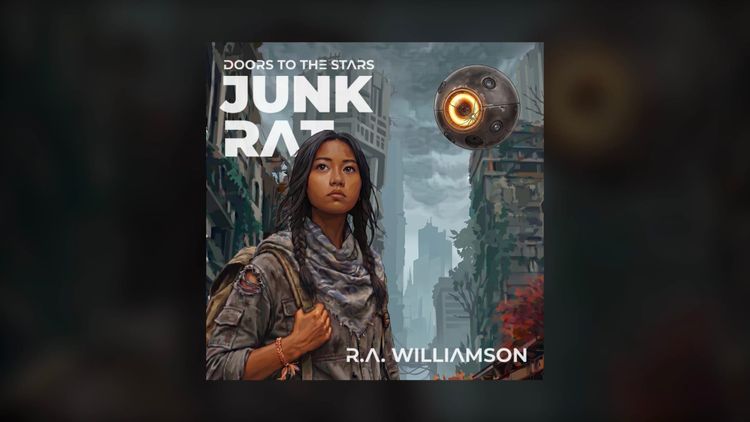
Doors to the Stars
Dying from radiation poisoning, sixteen-year-old Wulan discovers an alien disk that opens portals between worlds, forcing her to choose between saving a shattered galaxy and her humanity.
Member discussion