
The Banality of Evil
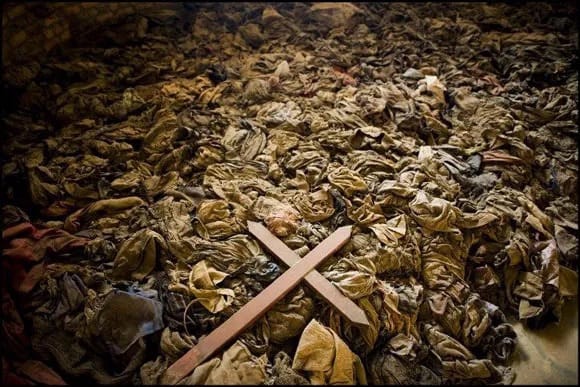
My Ferment Genocide Bingo card is full now.
✅ They’re stealing our jobs
✅ They’re eating our pets
✅ They’re raping our daughters
Unfortunately, the prize is the same thing that happened to Jews, Tutsis, Armenians, Native Americans, Japanese Americans, Rohingya, Tamils, Chinese Indonesians, multiple ethnic groups in Darfur, and countless other ethnic and religious minorities.
[Banality is] simply the incapacity to think. To imagine what the other person is experiencing. That is the banality of evil.
— Hannah Arendt
The banality of evil is not just that people look the other way while terrible things happen. It’s that ordinary people become willing participants, convinced they’re doing something righteous or necessary. They genuinely believe the narrative that the targeted group poses an existential threat.

What’s particularly devastating is watching people I thought I knew—people I respected, worked with, cared about even—reveal themselves as willing to embrace and even celebrate cruelty.
The hardest part is you can’t reason someone out of something they weren’t reasoned into. When it’s become emotional and tribal, facts and historical parallels just bounce off.
It’s exhausting to see the signs clearly when others seem determined not to.





Member discussion